PCB Fabrication
PCB fabrication - practical scope, documentation, and confirmation notes.
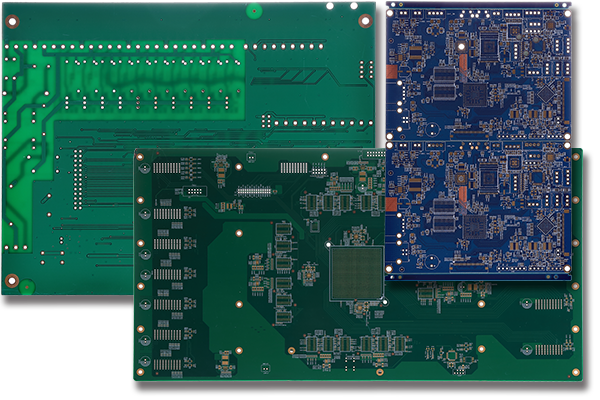
Bare printed circuit boards
The company homepage describes boards from 2 to 30 layers, covering standard boards, HDI boards, flexible boards, and metal core boards, with production scope from samples to volume quantities. The company homepage and the Made-in-China profile both describe more than 30 production lines. Fabrication enquiries should therefore name the board type, the layer count, and the document revision, so the scope can be confirmed in writing.
This page covers PCB fabrication for buyers who need a clear, checkable description before writing an enquiry.
PCB Fabrication documentation review
This page explains PCB fabrication with attention to layer range, board types, and order documentation. For PCB fabrication, agree in writing how nonconforming boards are handled, who is notified, and what records are kept, before the first production batch is confirmed. The day-to-day work behind PCB fabrication depends less on any single machine than on disciplined document control, because a correct document set keeps every later step aligned.
A short kickoff note for PCB fabrication that restates scope, documents, inspection steps, and delivery arrangements prevents most misunderstandings that appear later in a project. When PCB fabrication involves components from several sources, incoming inspection becomes the control point that protects the whole build, so its scope should be written down.
PCB Fabrication scope confirmation
This page explains PCB fabrication with attention to layer range, board types, and order documentation. Risk review for PCB fabrication is most useful when it names specific failure modes, such as missing documents, wrong revisions, or untested assemblies, and assigns an owner to each. A realistic plan for PCB fabrication leaves room for document queries and inspection findings, because a plan with no slack treats every question as a delay.
For PCB fabrication, confirm who supplies each item, who inspects incoming goods, and how shortages are reported, since shared responsibility without written rules causes avoidable delays. The day-to-day work behind PCB fabrication depends less on any single machine than on disciplined document control, because a correct document set keeps every later step aligned.
PCB Fabrication inspection and records
This page explains PCB fabrication with attention to layer range, board types, and order documentation. A clear written brief for PCB fabrication saves several rounds of clarification, since the supplier can check the document set against the brief before any work begins and can ask targeted questions early. A buyer reviewing PCB fabrication should ask which records are produced at each stage, since records are what turn a completed build into a verifiable delivery.
Before confirming any PCB fabrication order, confirm the full document list in writing, including drawings, bills of materials, assembly notes, and any special handling notes that apply to the boards. A realistic plan for PCB fabrication leaves room for document queries and inspection findings, because a plan with no slack treats every question as a delay.
PCB Fabrication communication and change control
This page explains PCB fabrication with attention to layer range, board types, and order documentation. When comparing PCB fabrication proposals, compare the scope line by line rather than comparing headline prices, because a lower price may simply exclude testing, inspection, or documentation steps. End-of-build reporting for PCB fabrication should state what was built, which revision was used, which tests were run, and what was shipped, in one consolidated record.
For PCB fabrication, agree in writing how nonconforming boards are handled, who is notified, and what records are kept, before the first production batch is confirmed. A buyer reviewing PCB fabrication should ask which records are produced at each stage, since records are what turn a completed build into a verifiable delivery.
PCB Fabrication handover and next steps
This page explains PCB fabrication with attention to layer range, board types, and order documentation. Buyers evaluating PCB fabrication benefit from visiting the document trail rather than relying on summaries, because drawings, revision notes, and test records show what actually happened. Storage and handling notes for PCB fabrication should be agreed in advance, including moisture sensitivity, electrostatic precautions, and shelf-life notes where they apply.
Risk review for PCB fabrication is most useful when it names specific failure modes, such as missing documents, wrong revisions, or untested assemblies, and assigns an owner to each. End-of-build reporting for PCB fabrication should state what was built, which revision was used, which tests were run, and what was shipped, in one consolidated record.
PCB Fabrication fabrication scope
| Item | Detail |
|---|---|
| Layer range | From 2 to 30 layers |
| Board types | Standard, HDI, flexible, metal core |
| Order scope | From samples to volume quantities |
| Documentation | Buyer-supplied specifications govern the build |
Request a Quote
Use the enquiry form to describe the boards and the service scope, and confirm the documents, inspection steps, and handover records in writing before any order is confirmed. Please confirm order quantities and timing in writing for the specific order.
Before you enquire, gather the drawings, the bill of materials, and any assembly notes, so the reply can address the actual boards rather than a general description.